We’re pleased to share a new publication by our colleague Ivana Zivojinovic and Gerhard Weiss, that sheds light on an important and under-researched topic: forest restitution and its implications for governance and forest management in Serbia.
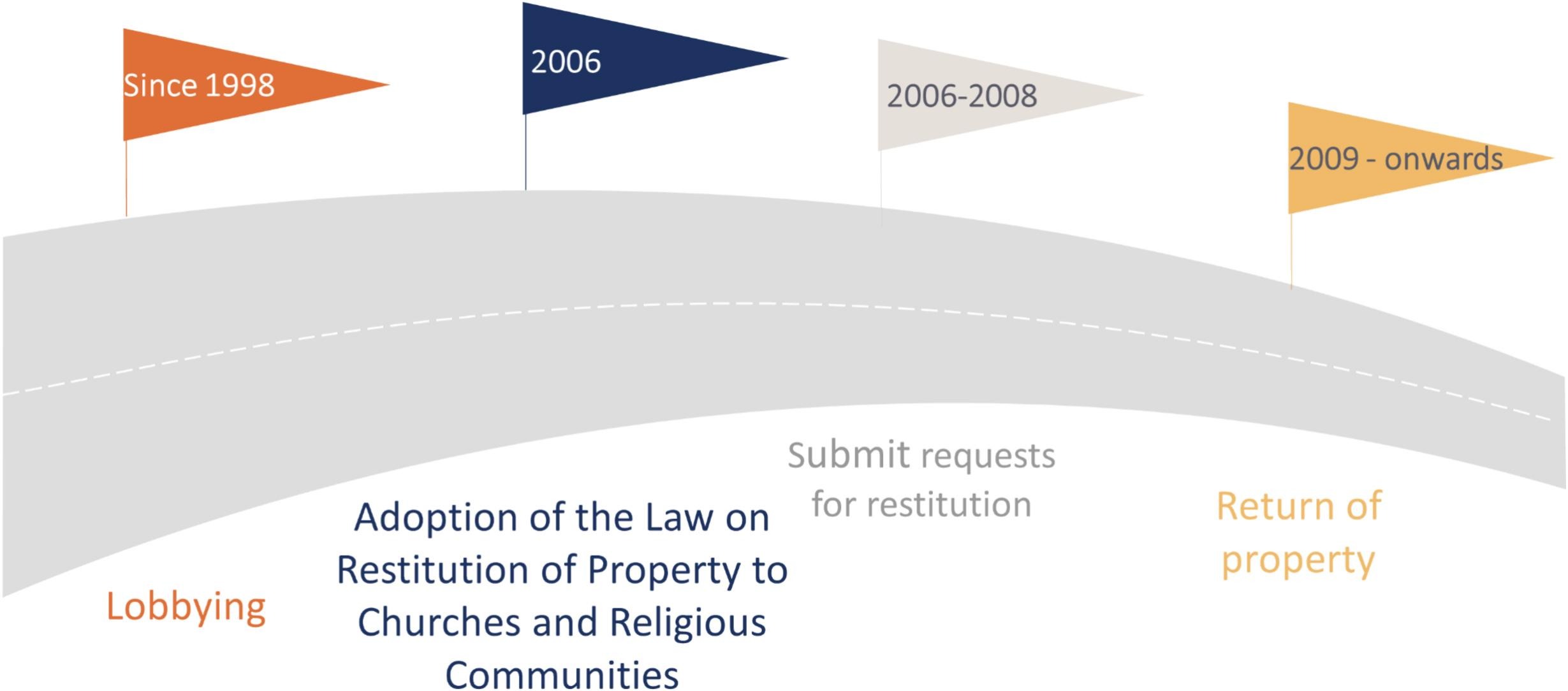
Forest restitution involves returning forest land to its rightful owners or their heirs, often following nationalisation or expropriation. While previous studies have evaluated the effectiveness of policies and governance mechanisms related to forest restitution in Southeastern Europe, there is limited research on how changes in ownership affect the governance and management of such returned properties. This study explores forest restitution to the Serbian Orthodox Church at both the national and local level in Serbia, with a specific focus on the Eparchy of Braničevo. In-depth expert interviews were conducted with key stakeholders, representatives from the Eparchy of Braničevo and the private company responsible for managing these church-owned forests. The results indicate that the restitution process was largely driven by the Church’s significant interest in getting its forest back and its formal and informal influence, as well as the requirements associated with Serbia’s EU accession process, which necessitated the initiation of this process. The restitution of forests in Serbia has prompted a shift from a centralised to an adaptive governance system and re-established the Church as the largest private forest owner in the country. This shift has impacted the forestry sector by fostering entrepreneurial growth through the emergence of private companies specialising in forest management. This was a key driver in undertaking this study as understanding these dynamics is essential for the development of forest and land-use policies that integrate the socio-economic, legal and environmental aspects of forest restitution.
This research contributes valuable insights for shaping forest and land-use policies that better integrate legal, socio-economic, and environmental dimensions.
Congratulations to our colleague on this significant contribution!
Read about it here: www.sciencedirect.com